Chorkie Breed Information and Buying advice

Are You Looking to Buy or Adopt a Chorkie?
Here you can learn about:
Quick Chorkie Facts


Why Chorkies Are Great
Chorkies are compact, lively companions with a reputation for being affectionate and loyal. Their small size makes them suitable for many living situations, including flats, so long as they receive proper attention and enrichment.
Why many ethical owners love Chorkies:
Small yet full of character, offering companionship without demanding excessive space.
Affectionate with their families, enjoying lap time and close human bonding.
Intelligent and alert, often making excellent watchdogs (though not guard dogs).
Low-shedding coats, inherited from the Yorkshire Terrier side, make them more manageable for some households.
While these traits are typical, each Chorkie is an individual. Ethical ownership means choosing a puppy based on welfare, temperament and compatibility, not assumptions about the cross.
Things to Consider When Looking at Chorkies for Sale
Chorkies are a designer crossbreed, meaning they are purposefully bred from two pure breeds. Because they are not a Kennel Club-recognised breed, their traits may vary more than those of pedigree dogs.
Important considerations for responsible buyers:
Size and structure: Most Chorkies remain small, typically under 4kg, but build and proportions can differ depending on parental genetics.
Temperament balance: Chihuahuas can be bold and vocal; Yorkshire Terriers are energetic and confident. A Chorkie may inherit any combination of these traits.
Health transparency: Ethical breeders provide health information on both parents, especially regarding dental health, patella issues and eye conditions.
Ethical breeding environment: Small breeds are vulnerable to poor welfare conditions if bred irresponsibly. Always ensure puppies are raised indoors with their mother present.
History of the Chorkie
The Chorkie originated in the early 1990s-2000s when the popularity of designer crossbreeds grew, following the success of crosses such as the Labradoodle. The goal was to blend the Yorkshire Terrier’s intelligent, affectionate nature with the Chihuahua’s lively, loyal personality.
As a first-generation cross:
Litters can vary widely in appearance and temperament
No official breed standard exists
Ethical breeders prioritise health, socialisation and the well-being of the dam
Chorkies remain a popular companion dog due to their manageable size and strong bonding tendencies.
Appearance
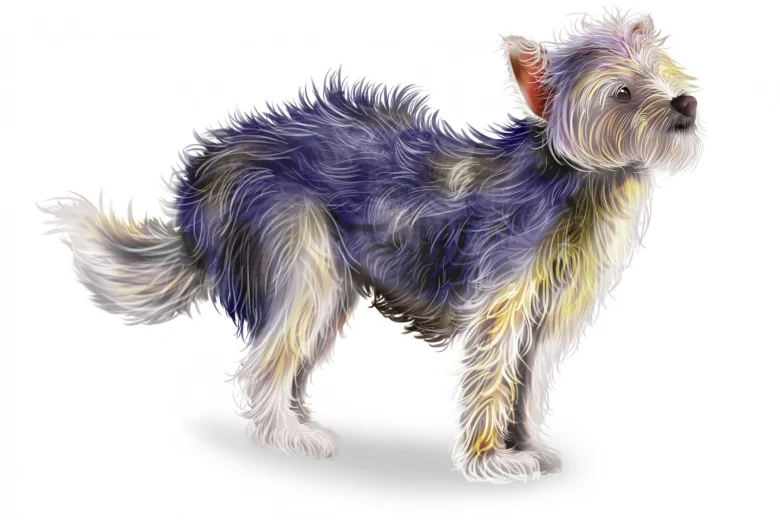
Chorkies are typically small, weighing between 2-4kg, though size varies based on the parents.
Common physical features include:
A fine-boned or slightly sturdier frame, depending on the Chihuahua influence
Ears that may stand erect or fold over, depending on genetics
A long or medium-length coat, often silky like a Yorkshire Terrier’s
A wide range of colours, including tan, black, brown, blue, or combinations
Since crossbreeds do not breed “true to type,” appearance can differ significantly even within the same litter.
Temperament
Chorkies are known for their lively, affectionate and loyal personalities, often forming strong bonds with their owners.
Typical behavioural traits include:
Affectionate companionship, thriving on human contact
High alertness, sometimes leading to vocal behaviour if not appropriately managed
Intelligence, making them responsive to training when positive reinforcement is used
Lively energy, though their small size makes their exercise needs manageable
Ethically raised Chorkies, those exposed early to household sounds, handling and positive social experiences, are more likely to develop confident, well-balanced temperaments.
Health
While crossbreeds can benefit from genetic diversity, Chorkies may still inherit conditions common to either parent breed. Ethical breeders proactively manage and screen for known issues.
Potential health considerations:
Dental disease, very common in small breeds
Patellar luxation (loose kneecaps)
Collapsing trachea
Hypoglycaemia in very small puppies
Eye issues such as dry eye or cataracts
Care
Chorkies are relatively low-maintenance in terms of space and exercise, but they do require consistent care and attention.
Key care requirements:
Nutrition: Provide a balanced diet suitable for small breeds, taking care to avoid hypoglycaemia in young puppies.
Exercise: Daily walks and mental stimulation are important, though their small size means excessive exercise is not required.
Grooming: Coat type varies; longer coats need frequent brushing. Professional grooming may be necessary.
Training: Positive reinforcement works well. Early socialisation helps prevent nervous or vocal behaviours.
Healthcare: Regular dental care is essential, including tooth brushing and vet check-ups.