Grand Basset Griffon Vendeen Breed Information and Buying advice

Are You Looking to Buy or Adopt a Grand Basset Griffon Vendeen?
Here you can learn about:
 1/2
1/2
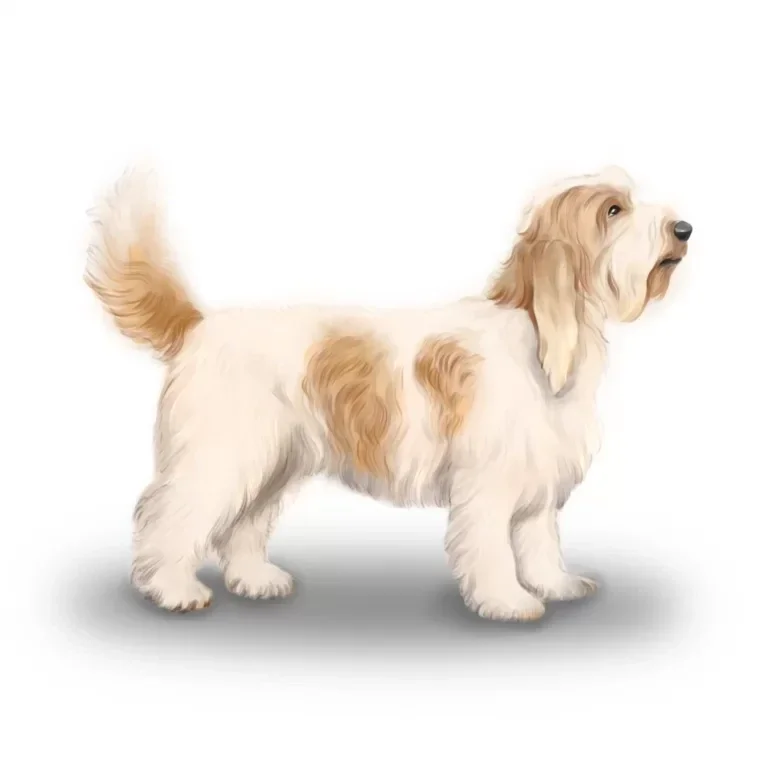
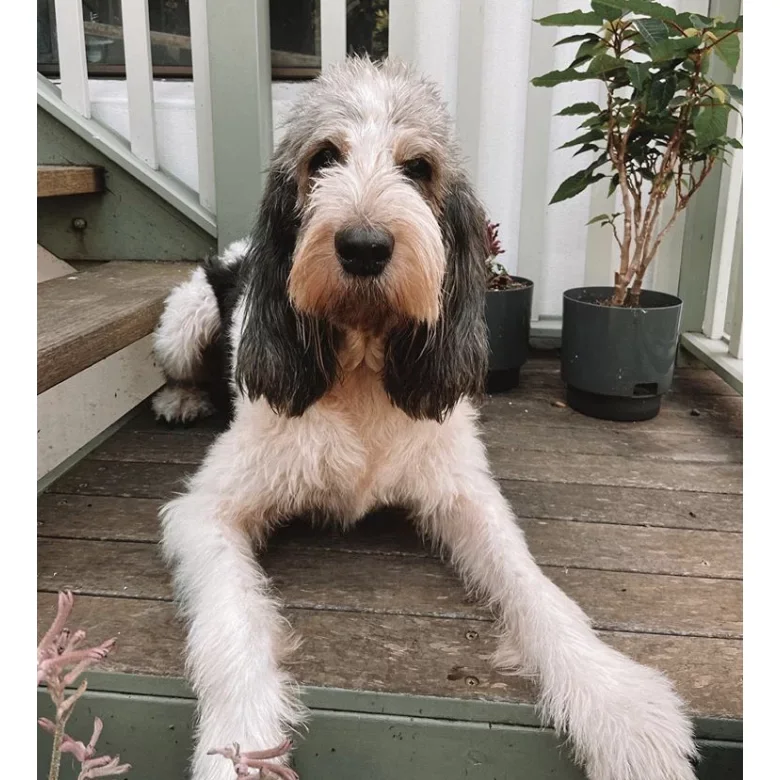
Quick Grand Basset Griffon Vendeen Facts


Recognized Breed Colour and/or Coat Markings
Grand Basset Griffon Vendeen
Overview
The Grand Basset Griffon Vendéen (GBGV) is a lively, scent-driven hound originally developed in France for hunting over rough terrain. Larger and longer-legged than the Petit variety, this breed combines endurance, independence, and affection, making it a rewarding companion for active households.
Despite their working background, Grand Basset Griffon Vendéens are known for their friendly nature, strong family bonds, and cheerful personalities. They are still relatively rare in the UK, but interest is growing among owners who want an energetic, characterful dog with a strong sense of adventure.
Physical Appearance
The Grand Basset Griffon Vendéen is a medium-sized hound with a sturdy, athletic build and a distinctive rough coat. Their longer legs give them more speed and stamina than many other Basset types, while still retaining the classic low-slung silhouette.
Key physical traits include:
A long body with strong bone and muscle
A rough, shaggy coat with pronounced eyebrows, beard, and moustache
Large, dark oval eyes with an alert expression
Long ears that hang inward and end in an oval tip
A high-set tail carried proudly when moving
How big do Grand Basset Griffon Vendéen dogs get?
Height:
Males: 40–44 cm
Females: 39–43 cm
Weight:
Males & females: 18–20 kg
Character Traits
The Grand Basset Griffon Vendéen is intelligent, curious, and independent-minded. Bred to work at a distance from humans, they can be stubborn at times, but they are also affectionate and deeply loyal to their family.
They thrive in environments where they receive:
Consistent training
Plenty of physical exercise
Mental stimulation
Common personality traits
Intelligence: High, but independent
Affection: Very affectionate with family
Energy level: High
Loyalty: Strongly bonded to owners
Playfulness: High, often boisterous and mischievous
Aggression: Not aggressive
Trainability: Moderate, requires patience and positive reinforcement
Guarding ability: Low, friendly rather than protective
Ability to Socialise
Grand Basset Griffon Vendéens are naturally social dogs that generally get along well with people and other dogs. Early socialisation is important, especially due to their strong prey drive.
With other dogs: Very good
With children: Excellent, tolerant and playful
With cats and small pets: Possible if raised together, but caution is advised
With strangers: Friendly but may bark initially
Their outgoing temperament makes them a strong choice for family homes, provided supervision is in place around smaller animals.
Lifestyle Suitability
This breed suits owners who enjoy an active, outdoor-oriented lifestyle. While adaptable, the Grand Basset Griffon Vendéen does not do well when bored or under-exercised.
They are best suited to:
Active families or individuals
Homes where someone is around most of the day
Owners committed to training and enrichment
Lifestyle considerations
First-time owners: Possible, with commitment to training
Apartment living: Possible with sufficient exercise
Left alone: Only for short periods
Noise sensitivity: Moderately sensitive
Barking: Naturally vocal
Drooling: Mild
Heat tolerance: Moderate
Cold tolerance: Good
General Health & Health Issues
The Grand Basset Griffon Vendéen is generally a robust and healthy breed, with an average lifespan of 12-14 years. However, like all pedigree dogs, they can be prone to certain inherited conditions.
Common health concerns
Hereditary cataracts: Clouding of the eye that may affect vision
Primary glaucoma: Increased eye pressure requiring ongoing management
Persistent pupillary membranes (PPM): A congenital eye condition
Pancreatitis: Inflammation of the pancreas, often diet-related
Epilepsy: Seizure disorder managed with medication
Skin allergies: May cause itching, redness, or infections
Hypothyroidism: A hormonal condition requiring lifelong treatment
Responsible breeders will carry out health testing to reduce these risks.
Exercise & Play Time
The Grand Basset Griffon Vendéen is a high-energy scent hound that needs at least two hours of exercise per day.
Ideal exercise includes:
Long daily walks
Time in a secure garden
Interactive play and scent-based games
Due to their tracking instincts, they should remain on a lead in unenclosed areas, as they are prone to following scents without regard for recall.
Daily exercise requirement: Minimum 2 hours
Water play: Often enjoyed
Nutrition & Feeding
This breed loves food and can be prone to weight gain if portions are not controlled. A high-quality, balanced diet is essential.
Feeding guidelines (approximate)
Puppies: 180-340 g per day, split into 3-4 meals
Adults: 215-320 g per day, depending on activity level
Regular weight checks and portion control are important to maintain joint and overall health.
Care & Maintenance
Grooming
The Grand Basset Griffon Vendéen has a low-to-moderate grooming requirement:
Weekly brushing
Professional hand-stripping every few months
Regular ear checks and nail trimming
Their beard and moustache may require extra cleaning after meals.
Emotional Care
This breed thrives on companionship. Without adequate stimulation, they may develop unwanted behaviours such as excessive barking or digging. Secure outdoor space and structured routines are essential.
History of the Grand Basset Griffon Vendéen
Originating in France as early as the 16th century, the Grand Basset Griffon Vendéen was developed to hunt hare and deer over difficult terrain. The larger size distinguished it from the Petit variety, and crossbreeding between the two was officially banned in the 1970s to preserve breed standards.
Today, the GBGV remains a working dog in France while gaining popularity as a family companion in the UK.
Interesting Facts About Grand Basset Griffon Vendéen Dogs
Originates from the Vendée region of France
Crossbreeding with the Petit variety was banned in 1977
“Griffon” refers to the rough coat texture
Still used for hunting in parts of Europe
Getting a Grand Basset Griffon Vendéen Puppy
If you’re considering a Grand Basset Griffon Vendéen, it’s essential to choose a responsible, ethical breeder. This is still a rare breed in the UK, so waiting lists are common.
Before committing:
Research the breed thoroughly
Meet the puppy and mother in person
Never pay a deposit without seeing the litter
Typical costs
Purchase price: £1,000 - £2,000
Monthly food: ~£50
Insurance: ~£40 per month
You may also wish to explore rescue options through specialist breed organisations.
Rehome a Basset Griffon Vendeen with The Basset Rescue Network Of Great Britain